News, reviews, articles on the topic NASA

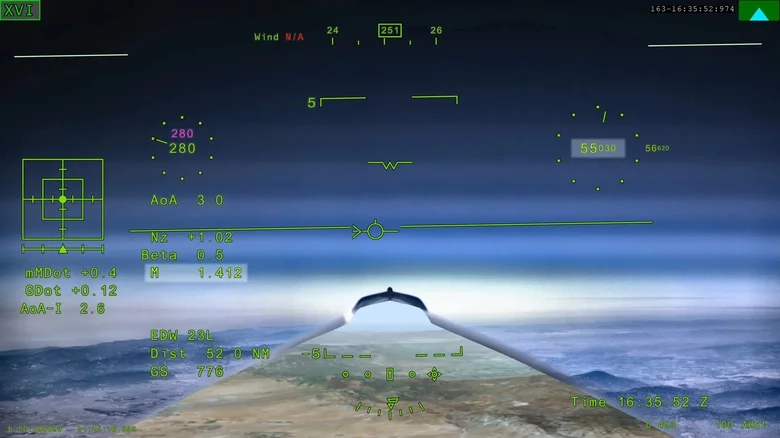
The quiet supersonic jet reached Mach 1.4 at 55,000 feet on June 12 — exactly the conditions it needs for upcoming community noise surveys.
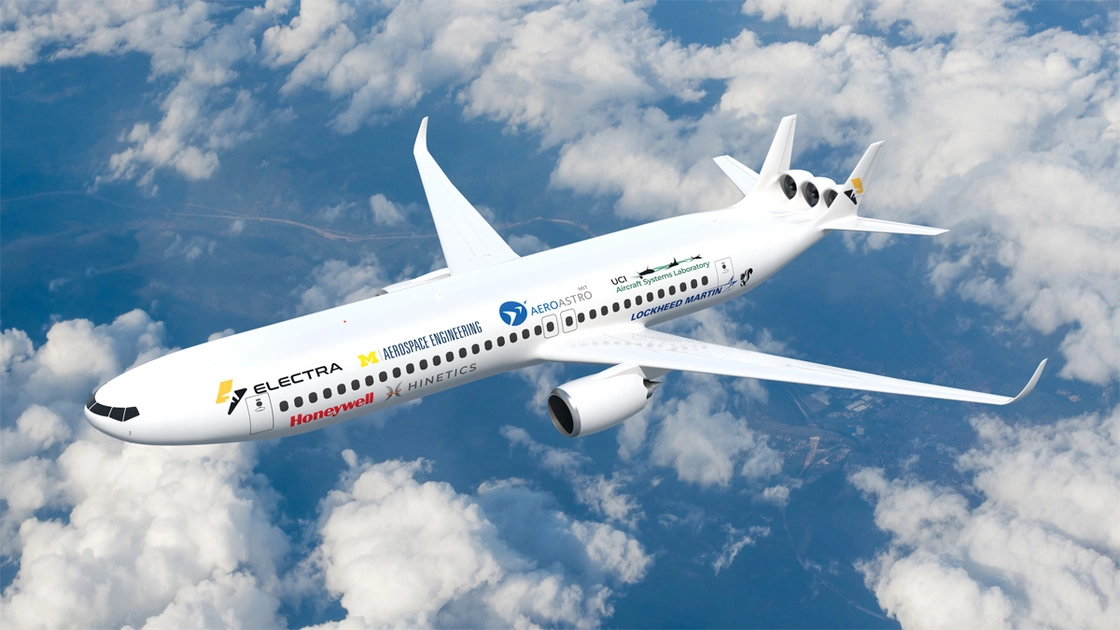
A double-bubble fuselage, electric tail fans, and no need for hydrogen: Electra's turbo-electric regional jet targets 17% better fuel efficiency without reinventing airport infrastructure.

The Liquid Cooling and Ventilation Garment, revealed in New York on June 7, is the inner layer of the AxEMU spacesuit built for NASA's Artemis IV lunar landing in early 2028.

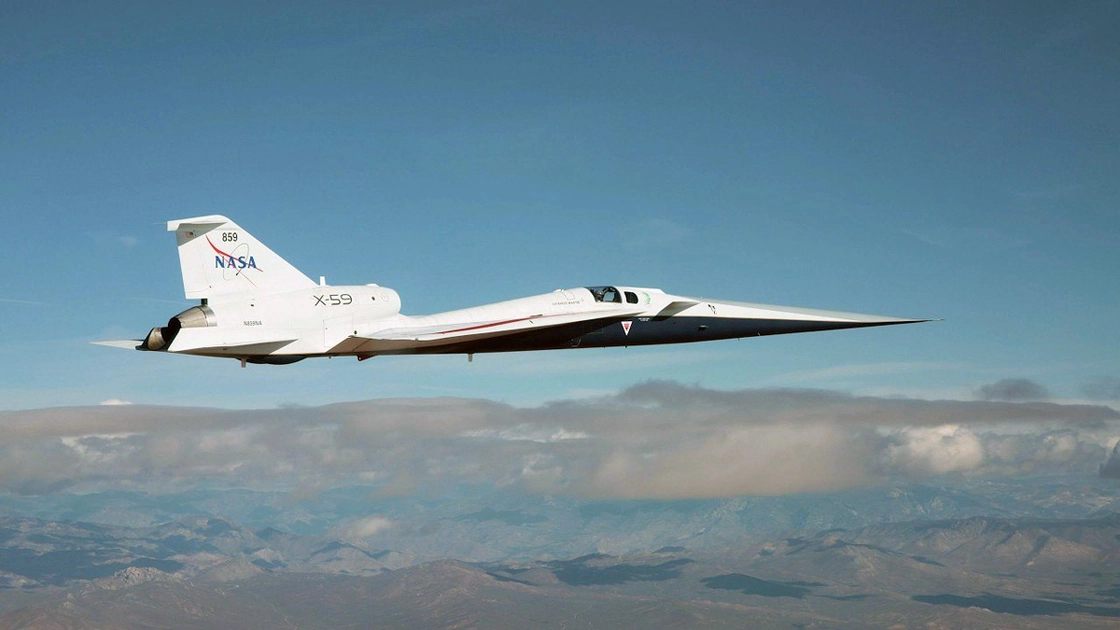
The quiet supersonic demonstrator hit Mach 1.077 on June 5, and now the real battle shifts to regulators who could lift a 53-year ban on supersonic flight over land.
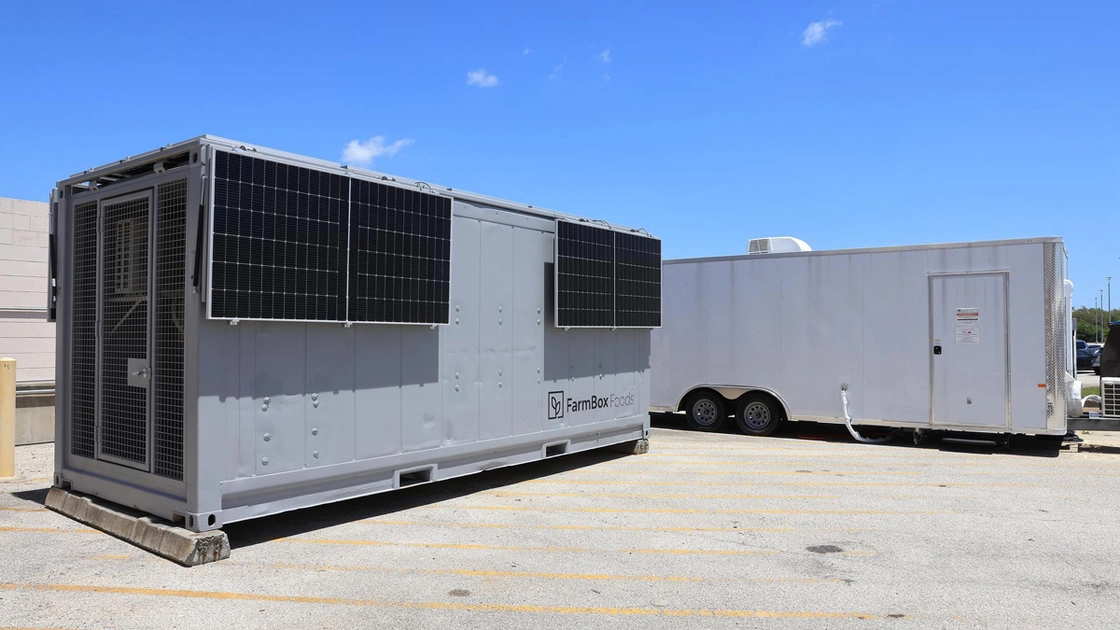
A trailer-sized treatment facility at the University of North Dakota is showing how future Moon and Mars crews could close the loop on water, nutrients, and even 3D-printing plastic.
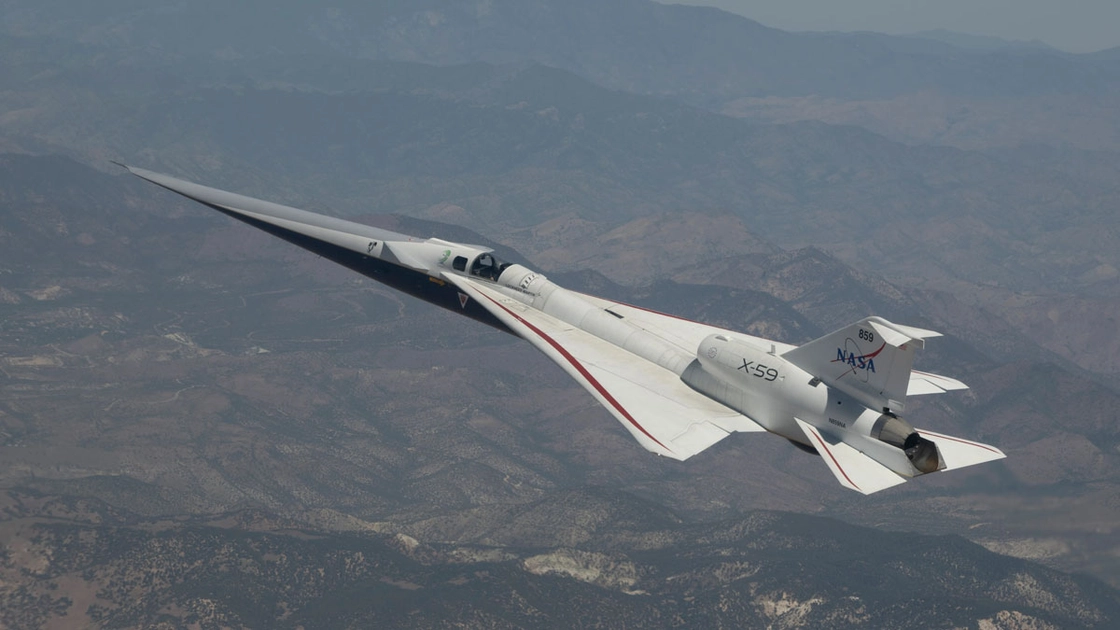
The experimental jet could reopen US skies to supersonic passenger flight for the first time in over 50 years, if its "quiet boom" holds up in testing.

A Cambridge-led team has made the first direct mass measurement of a black hole from the universe's first billion years — and it appears to have no galaxy around it.
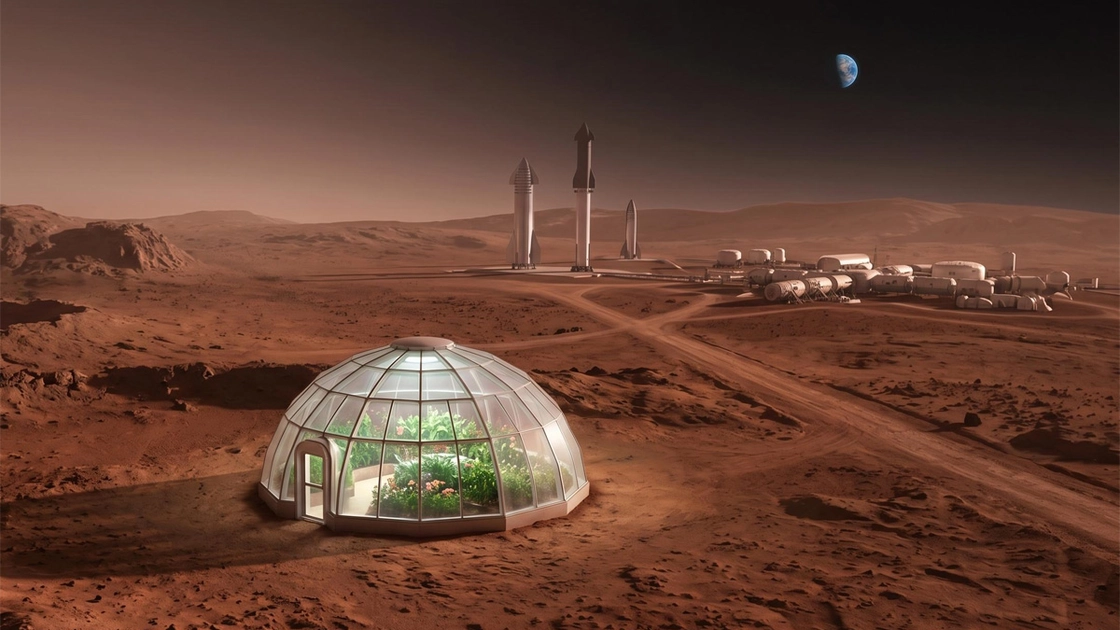
Elon Musk went to Moscow in 2002 to buy cheap missiles for a Mars greenhouse stunt. He left empty-handed — and founded the world's most dominant launch company instead.
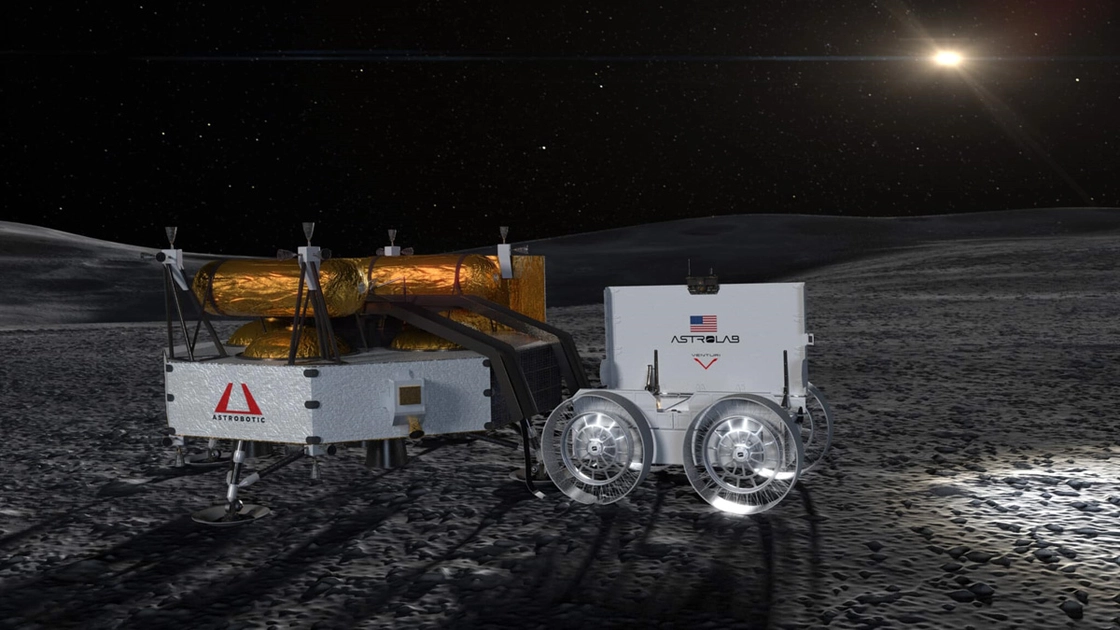
A small test rover launching on Falcon Heavy could give Astrolab a real-world edge in NASA's $4.6 billion lunar terrain vehicle competition.
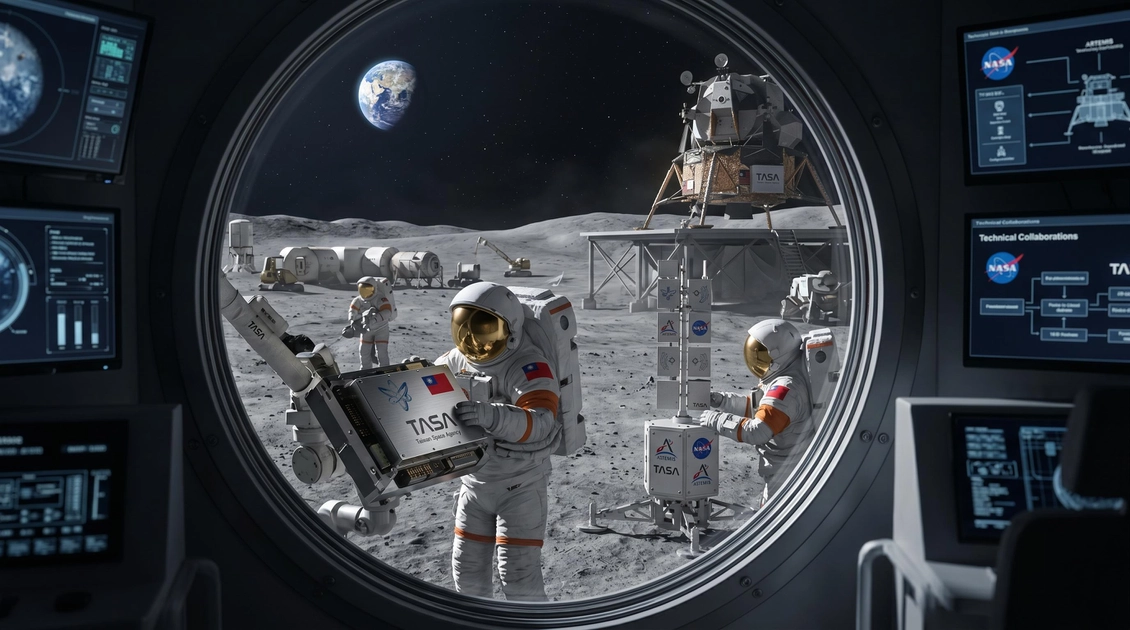
A formal NASA request to Taiwan's space agency signals a strategic push to lock in semiconductor and automation partners for the Artemis lunar program — well ahead of a 2028 landing.
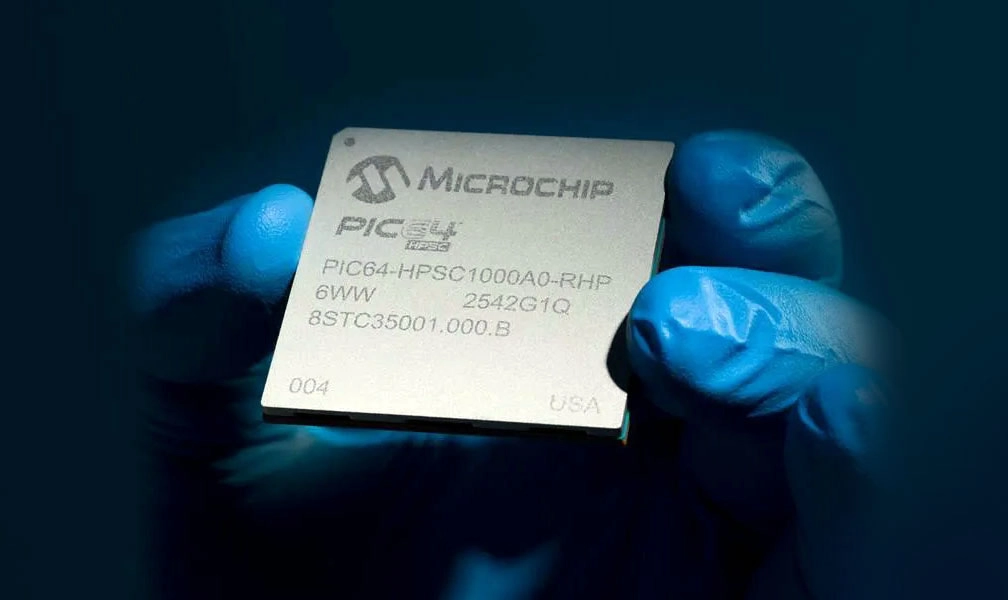
The HPSC chip could let Mars rovers and lunar landers think for themselves — and its maker has Earth-side uses in mind too.
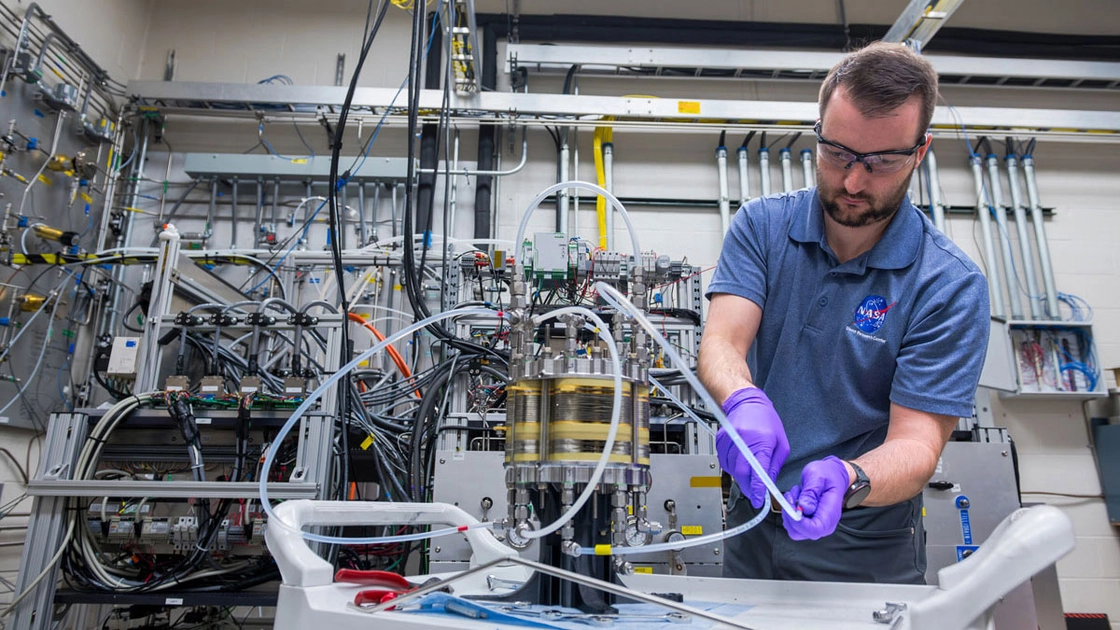
A regenerative fuel cell system tested at NASA Glenn could power a lunar base through 354 hours of darkness — without a single resupply from Earth.
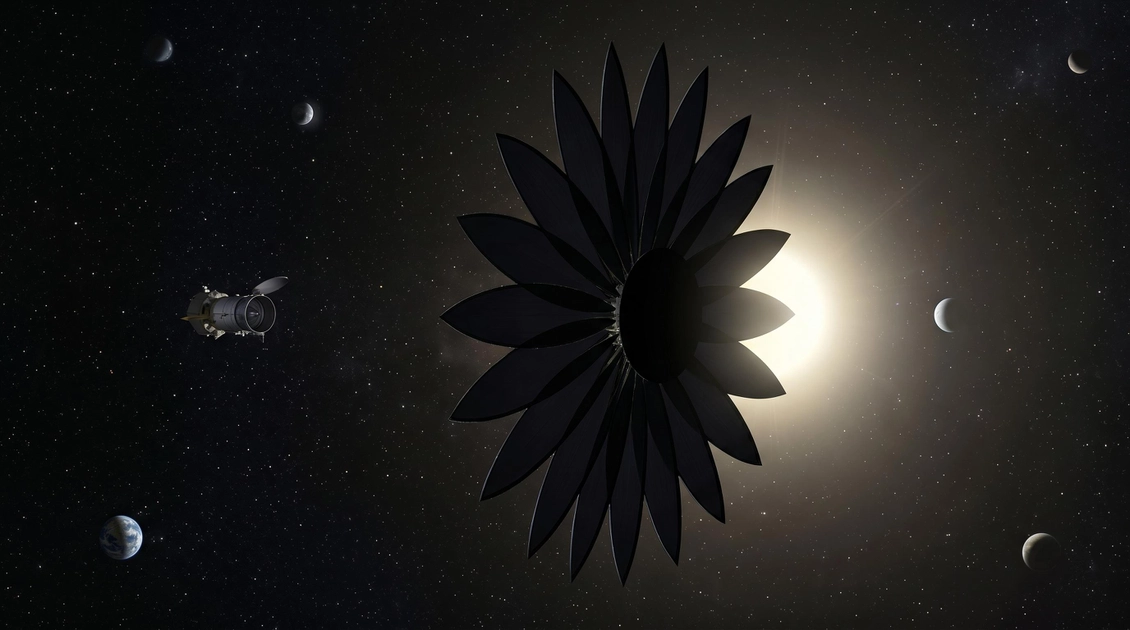
A razor-thin film developed by Illinois startup ZeCoat traps light at the nanoscale — and it's the key piece needed to image Earth-like exoplanets directly.
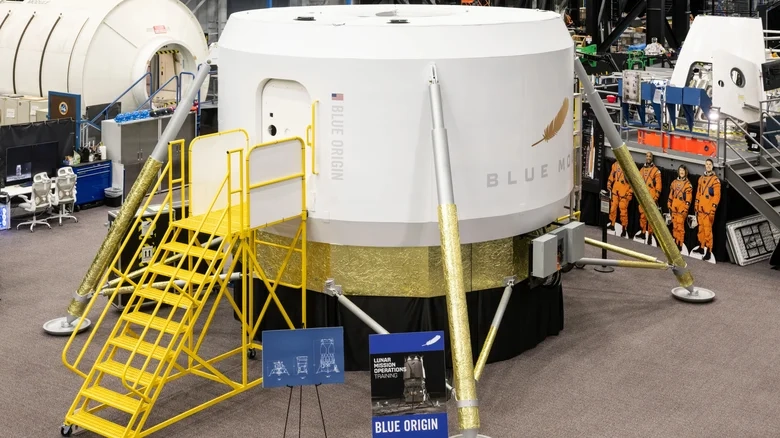
A 15-foot crew cabin mockup has arrived at Johnson Space Center, where astronauts will rehearse lunar surface operations ahead of the first crewed Moon landing since Apollo.


