
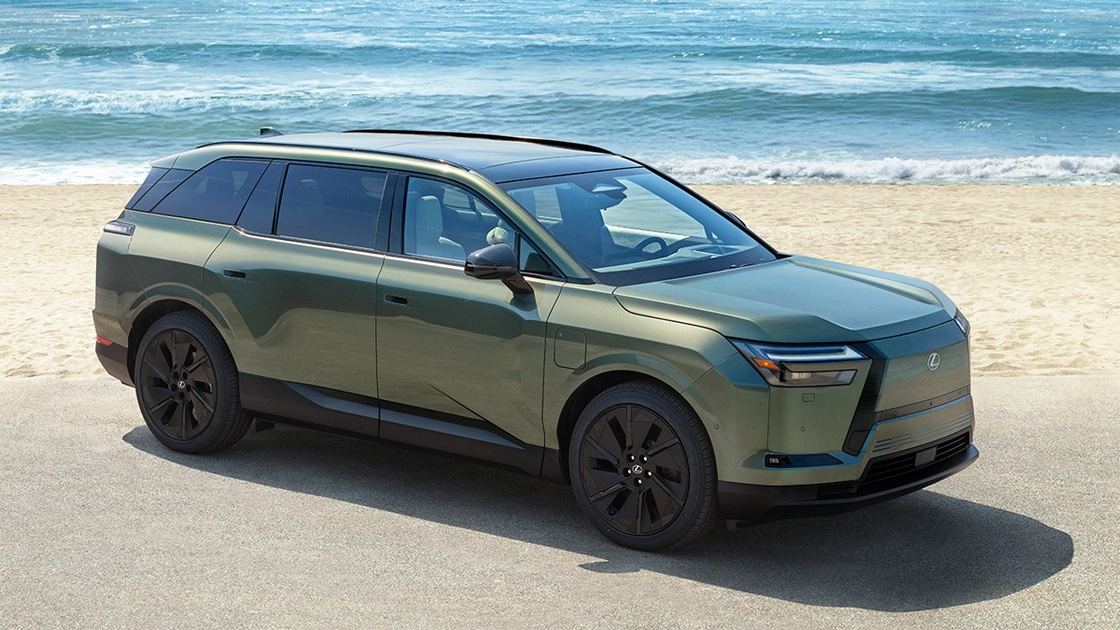
Lexus's first three-row all-electric SUV arrives in the US late 2026 at around $70,000 — and comes with a curious trick to ease range-anxiety skeptics.
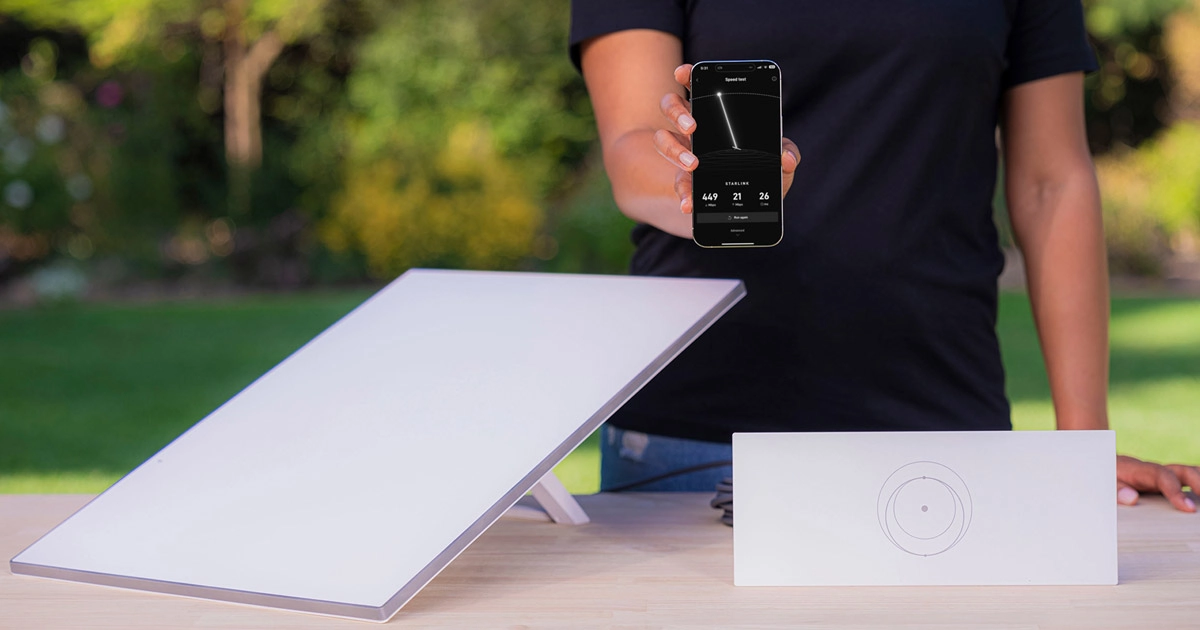
SpaceX's constellation crossed 10,000 satellites in 2025, and the speed gains are forcing traditional ISPs to take notice.

SINTEF and shipbuilder VARD are testing a wireless inductive system that could let offshore vessels recharge without returning to port.
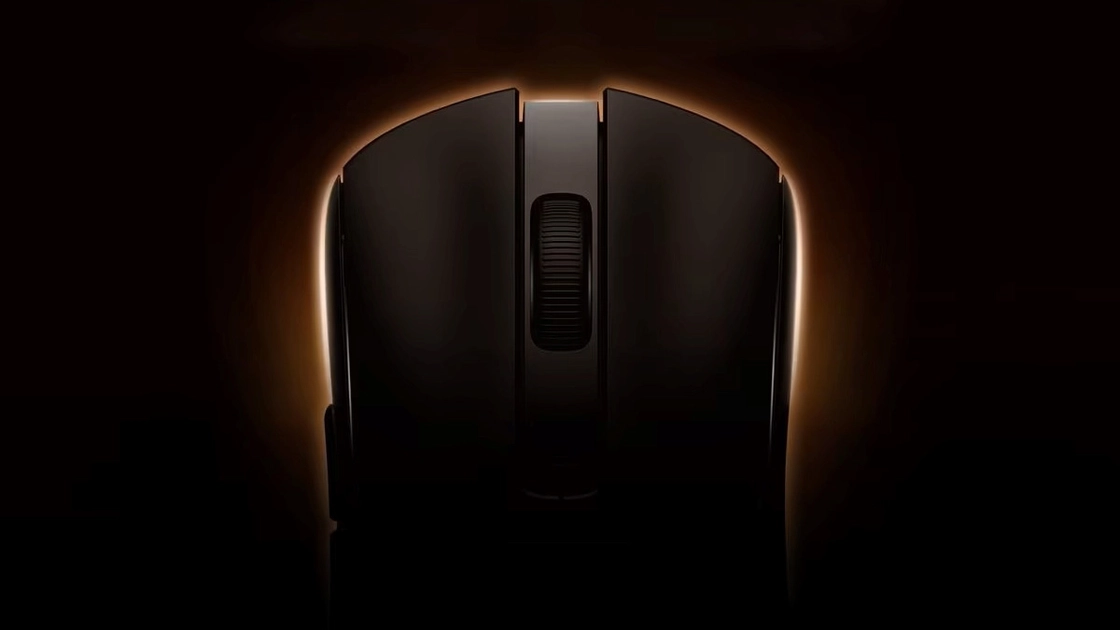
The Gaming Mouse 2 packs the PixArt PAW3955XM sensor — the same class of hardware found in mice costing twice as much — but it's currently only available in China.
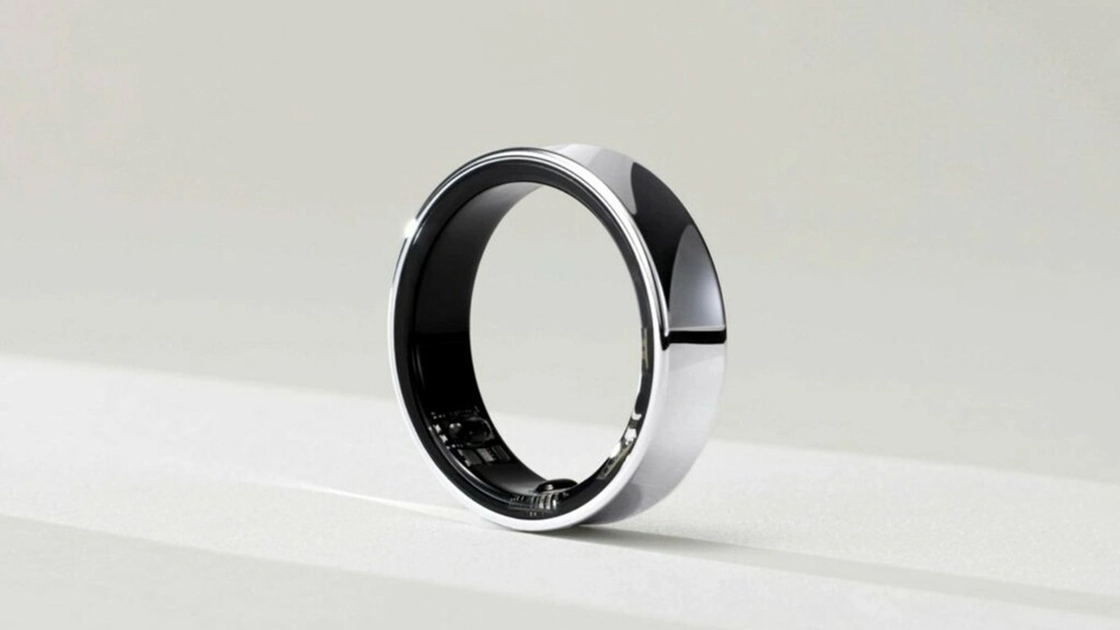
Samsung pushed its next smart ring back from a July 2026 debut to early 2027, promising 9–10 days of battery life and improved health sensors.



Tymon Smektała, the director behind Dying Light: The Beast, is departing the Polish studio with no successor named and no future plans disclosed.
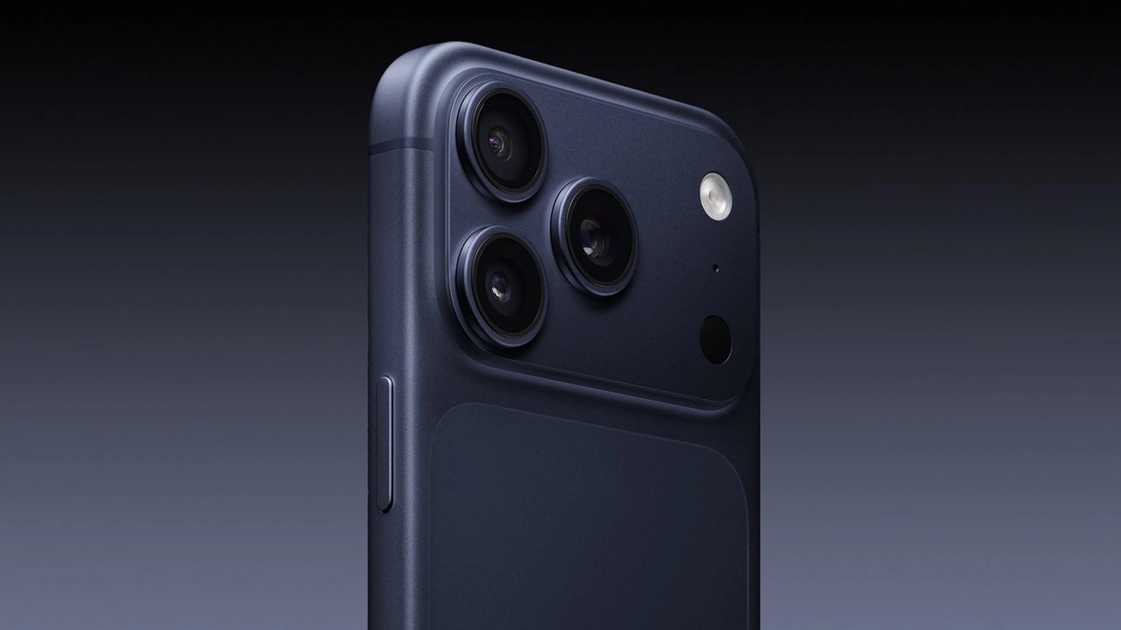
The same anodized aluminum finish that caused camera edge chipping on the iPhone 17 Pro is reportedly coming back on the iPhone 18 Pro — with no fix planned.

Casey Hudson's new studio Arcanaut is stacked with BioWare veterans who worked on KOTOR, Mass Effect, and Dragon Age — and Hudson insists the game ships before 2030.

Four Galaxy S26 AI features land on older Samsung phones, but only flagships and A-series devices from 2023 onward qualify in the first waves.
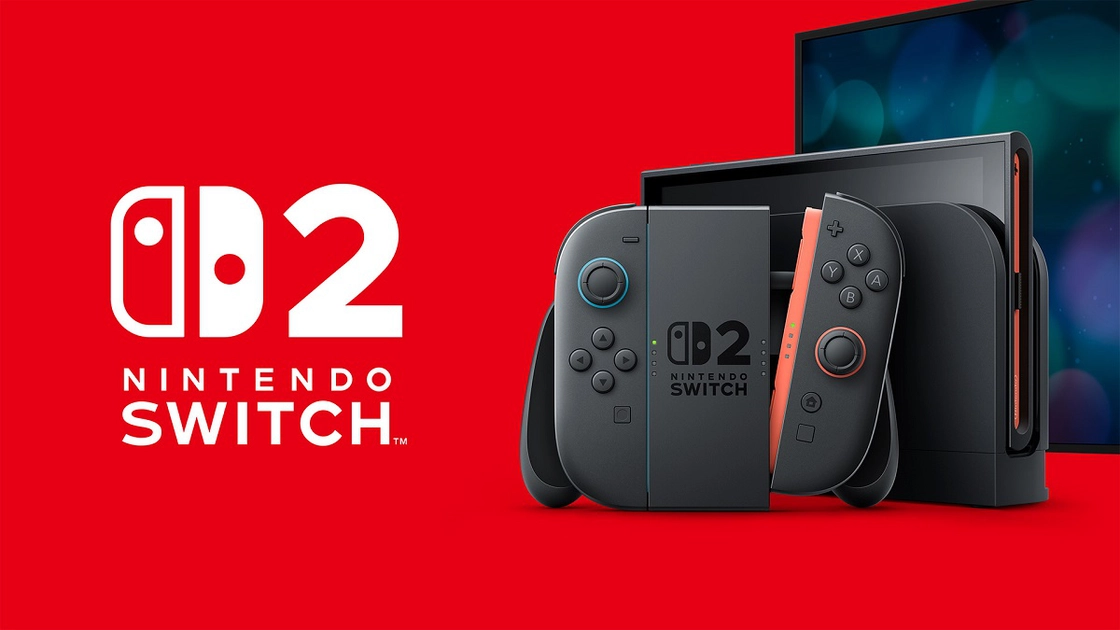
Investor pressure may force Nintendo to raise the Switch 2's $449 price tag to recover margins squeezed by RAM costs and Trump-era tariffs — before Nintendo has even addressed slowing US sales.
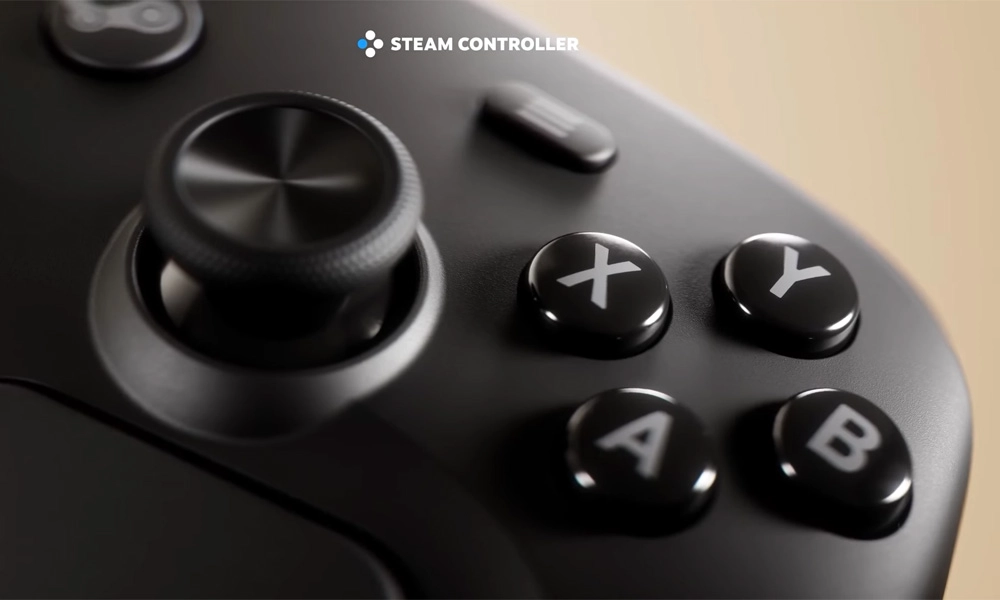
Two days after the Steam Controller 2 sold out in 30 minutes, Valve dropped full CAD files on GitLab so the community can build custom shells, grips, and accessories.

Ubisoft's $60 remake of the 2013 pirate classic lands July 9 with reworked combat, stealth, and parkour — and nearly four minutes of uncut gameplay has fans paying attention.
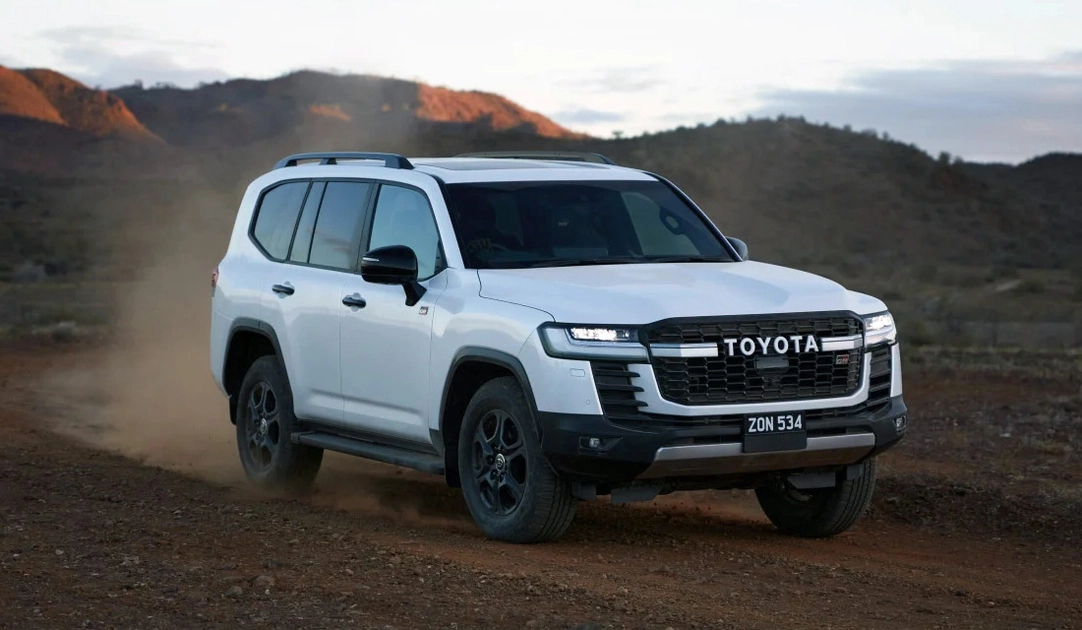
The most powerful Land Cruiser ever goes on sale in Australia mid-2026. North America and Western Europe are not on the list.
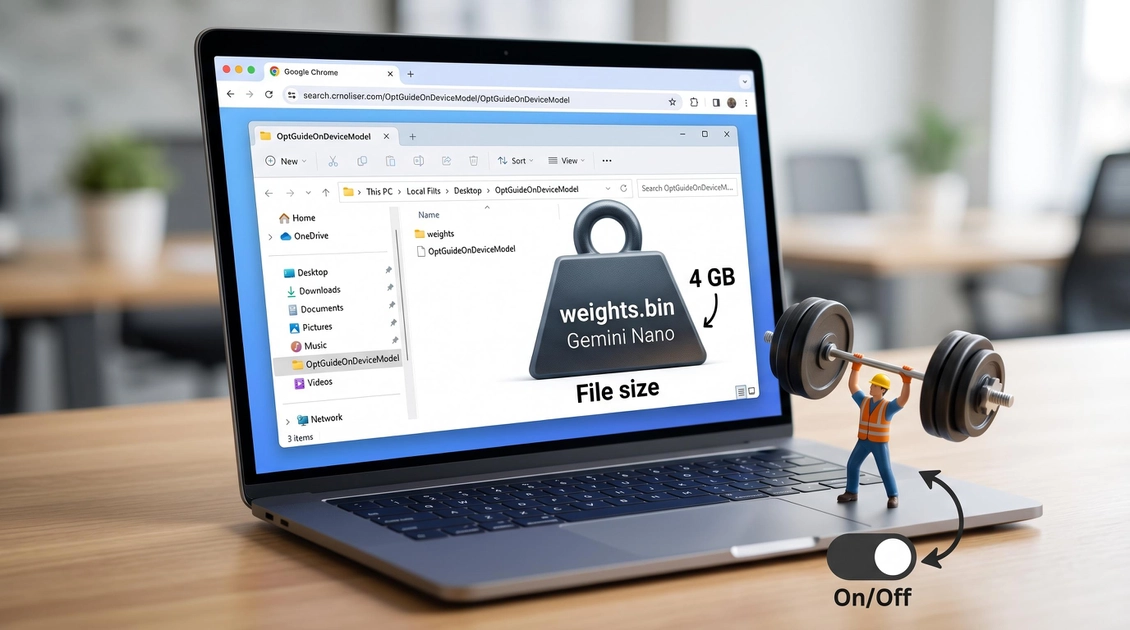
Google's browser silently installs Gemini Nano on your hard drive without asking. Privacy researchers say it may break EU law, and the fix isn't obvious.


