
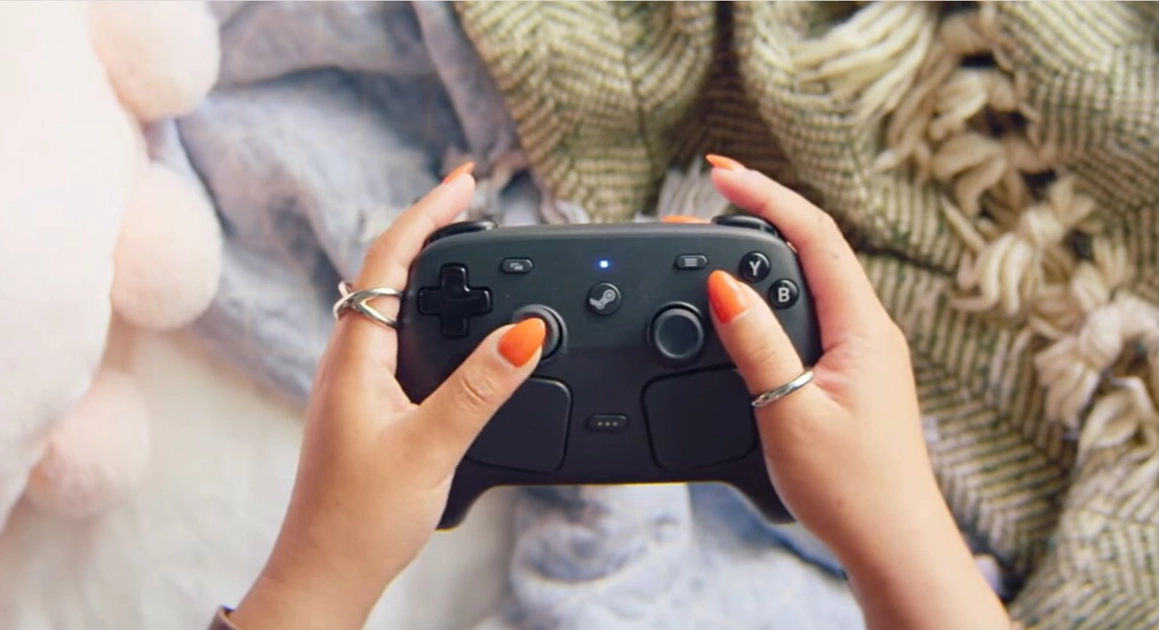
Valve's long-awaited follow-up arrives with anti-drift magnetic sticks, dual trackpads, and an iFixit repair partnership — priced above both the DualSense and Xbox Wireless Controller.


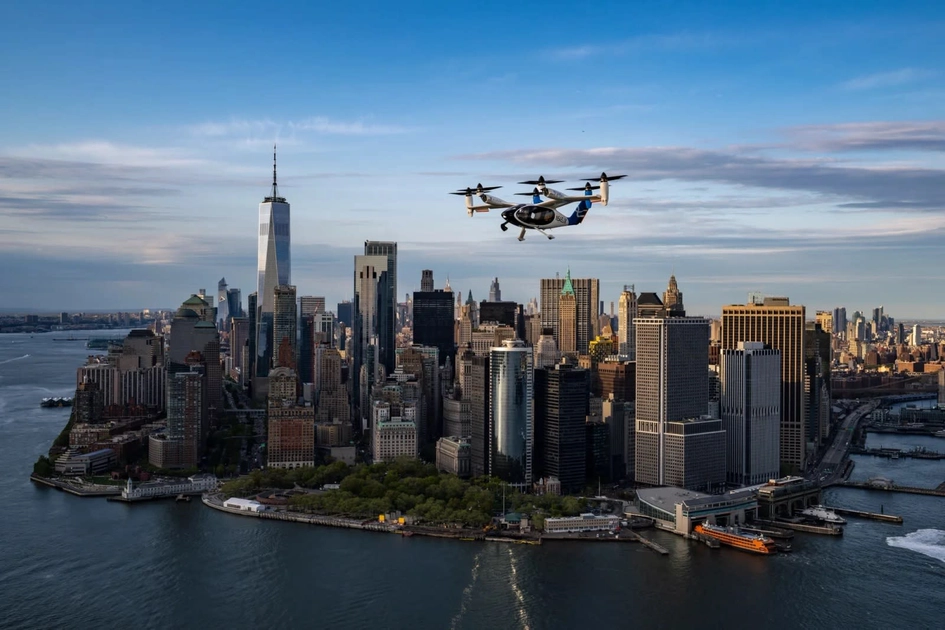
The S4 eVTOL covered JFK to Manhattan in under 10 minutes during a week-long demo. Paying passengers are still months away, but the milestone is real.

A renegotiated deal lets OpenAI work with AWS, Google Cloud, and others — while Microsoft keeps first-launch rights on Azure through 2032.
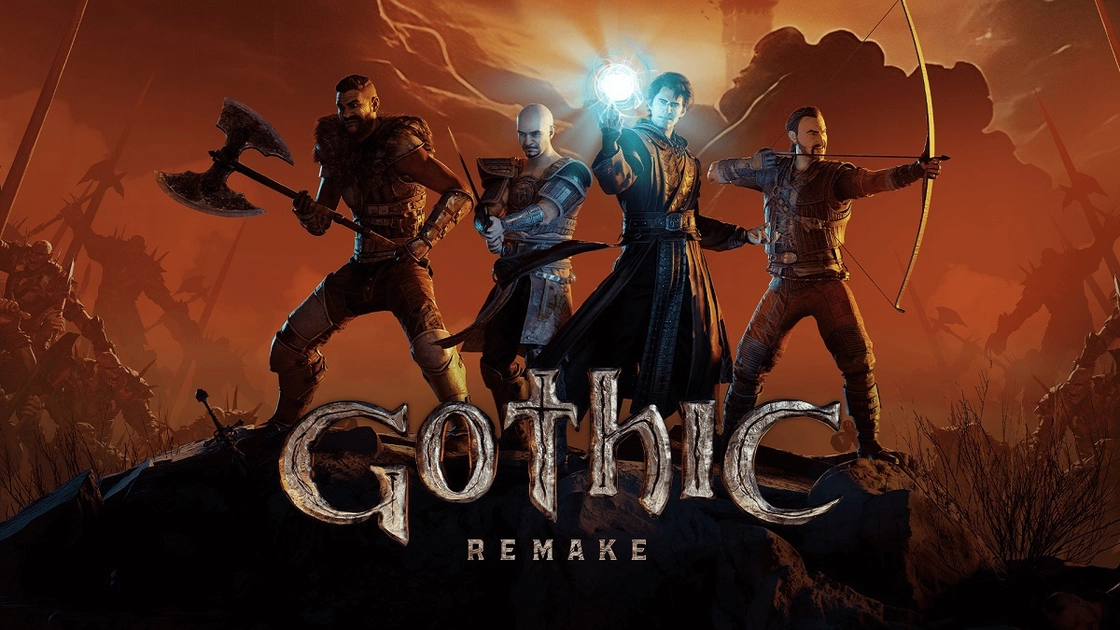
Alkimia Interactive's remake of the 2001 RPG classic arrives at €50 on PC — cheaper than most AAA releases — with immersion-first design that ditches waypoints entirely.
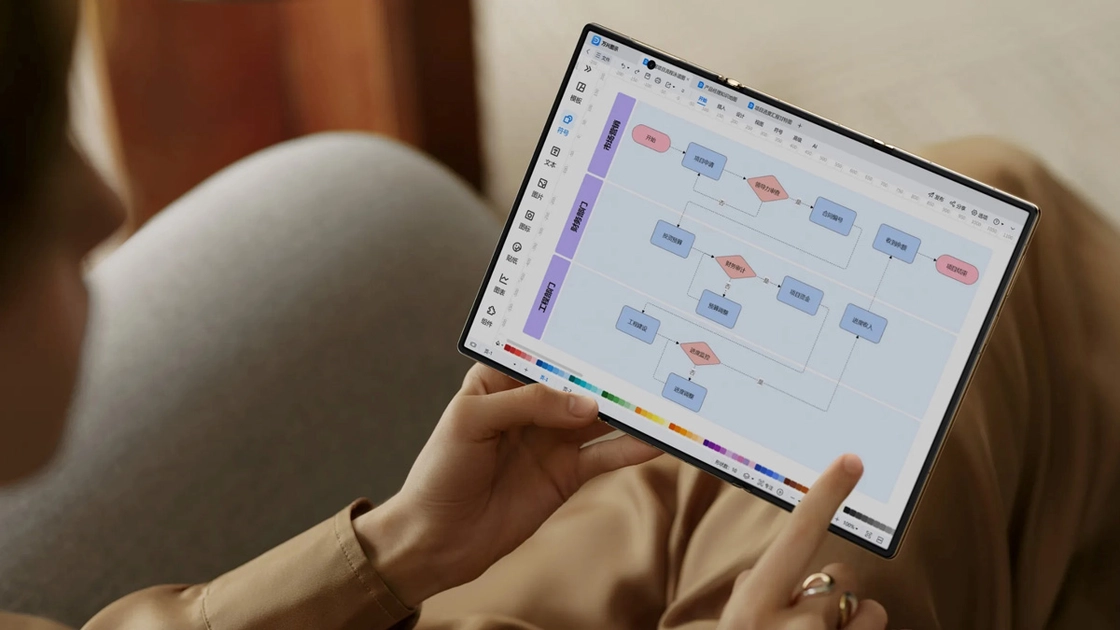
Huawei plans to launch its second three-panel foldable in October 2026, with a new Kirin 9050 Pro chip, a battery over 6,000mAh, and a redesigned hinge to reduce screen crease.
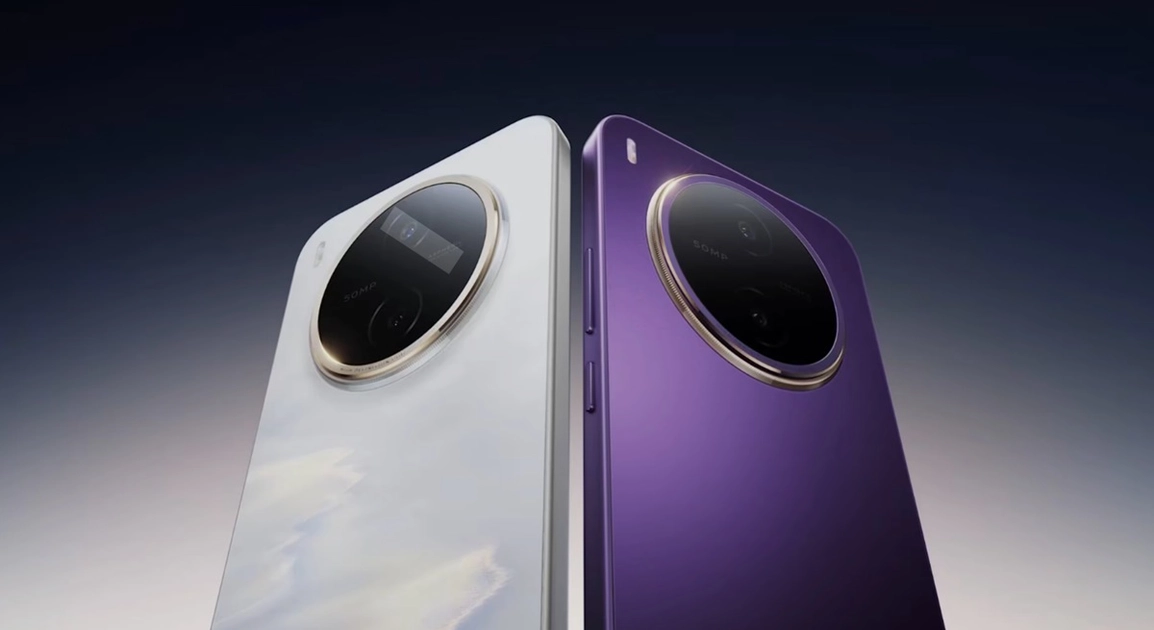
The new mid-ranger launched in China on April 30, but whether it reaches the US or UK — likely as an iQOO — remains an open question.
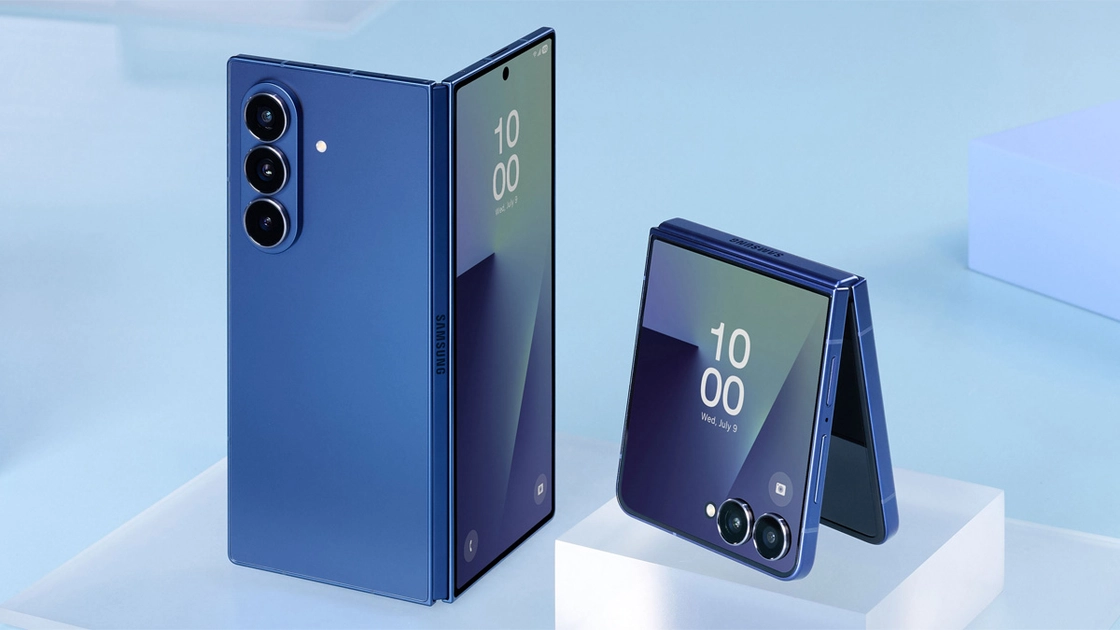
Lepton Computing claims Samsung lifted foldable display tech from 2013 meetings — and is now suing for a permanent injunction across the entire Galaxy Z lineup.
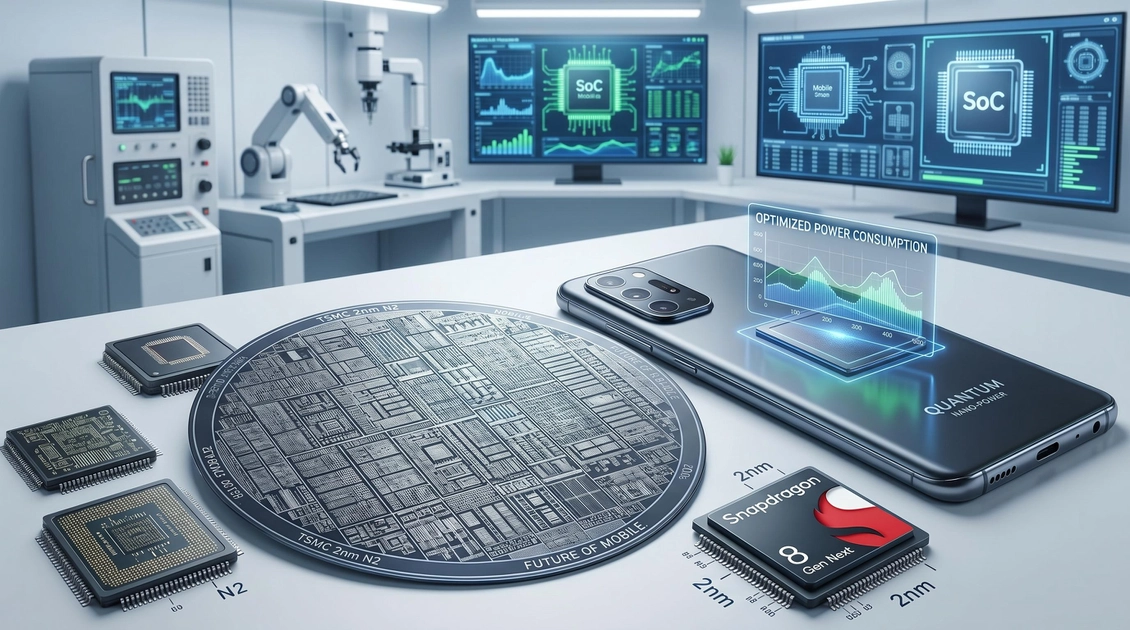
TSMC's 2nm production is live, and Chinese brands are closing the gap on Apple's traditional head start with the latest chip manufacturing node.

NASA plans to deploy a fleet of autonomous hopping drones to map the Moon's south pole by 2028, cutting costs and reducing risk ahead of crewed Artemis landings.

A credible insider has pinpointed a summer 2026 launch date and $69.99 standard price — but PC players are still waiting in the dark.
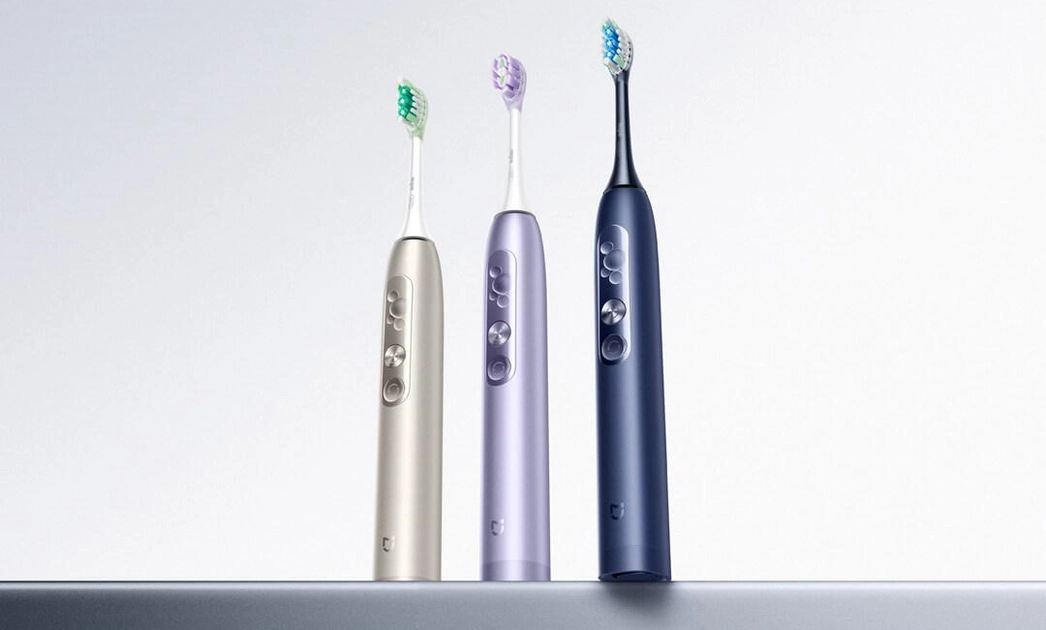
The Mijia Multi-directional Sweeping Electric Toothbrush Pro pairs a six-axis motion sensor with an overpressure cut-off — but it's only confirmed for China right now.
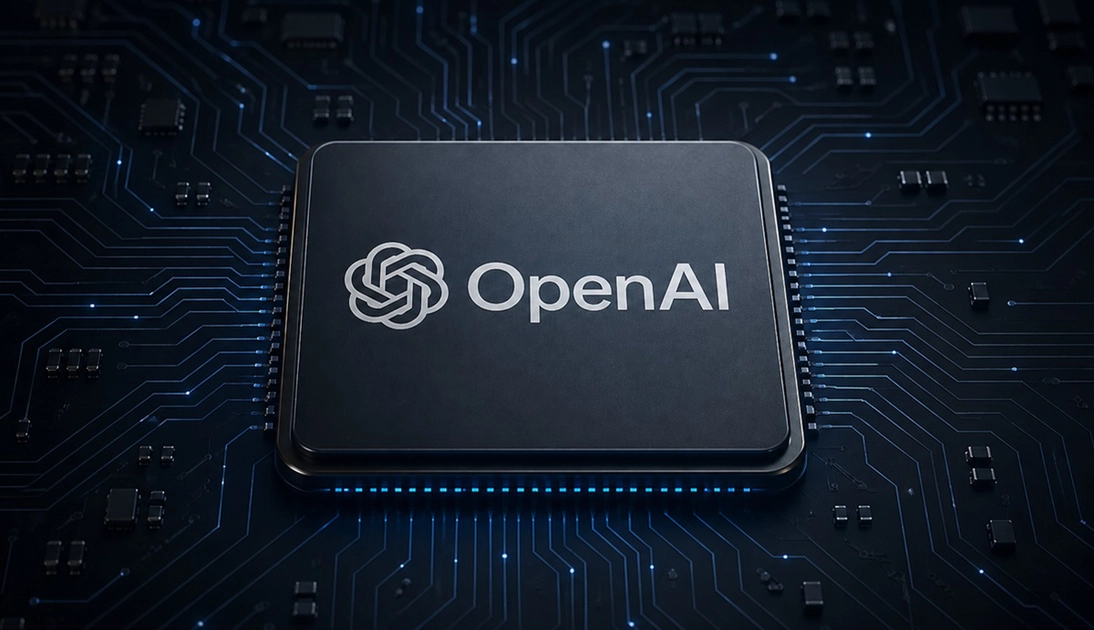
Analyst Ming-Chi Kuo says OpenAI is developing a custom processor for an AI-first phone that would replace apps with AI agents — but no company has confirmed it.
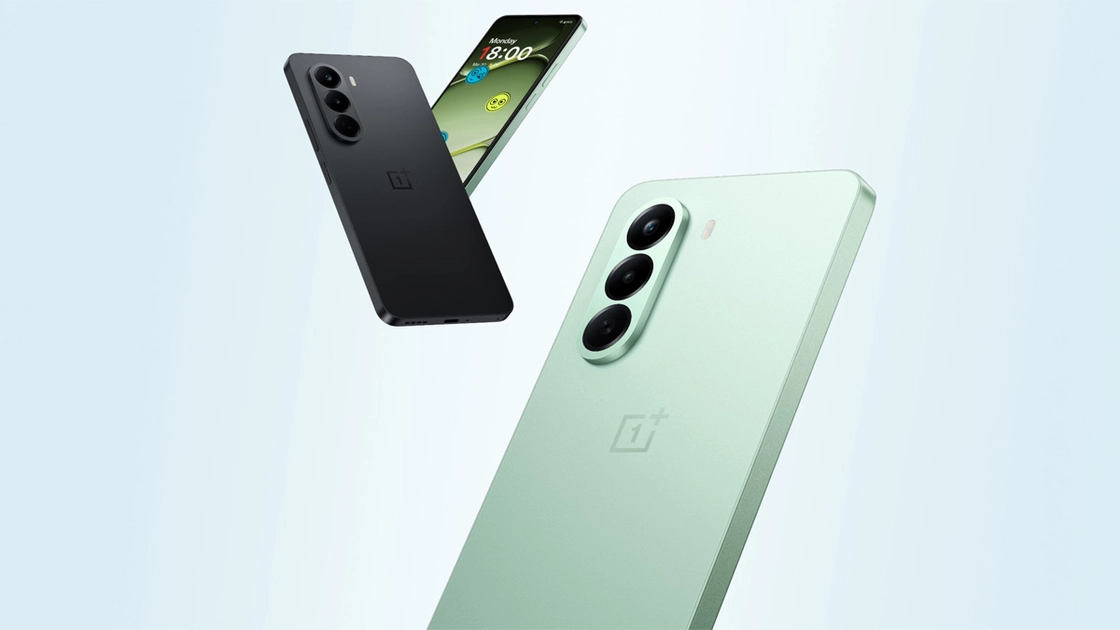
OnePlus confirms a May 7 launch for its battery-heavy mid-ranger, with a 144Hz display and a smart charging trick designed to keep heat down during gaming sessions.
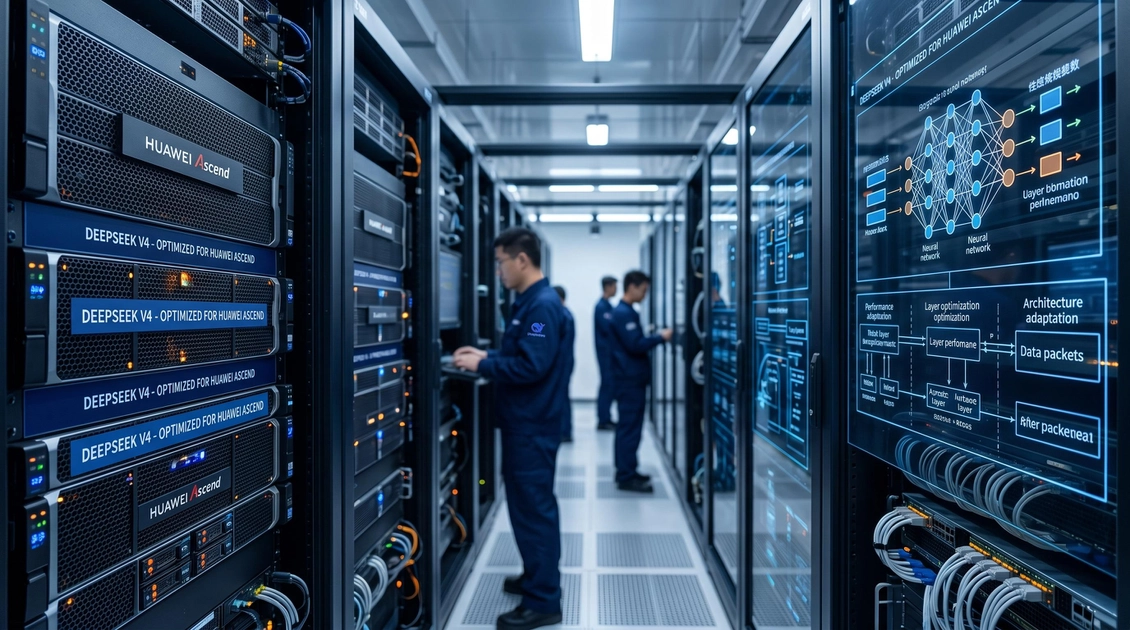
China's DeepSeek released V4 Pro and V4 Flash on April 24, open-source and optimized for Huawei's Ascend processors — a direct challenge to Nvidia's grip on AI infrastructure.


