NASA's Moon Suits Are Too Heavy—So America Is Going to the Lunar Surface in a Simpler Backup

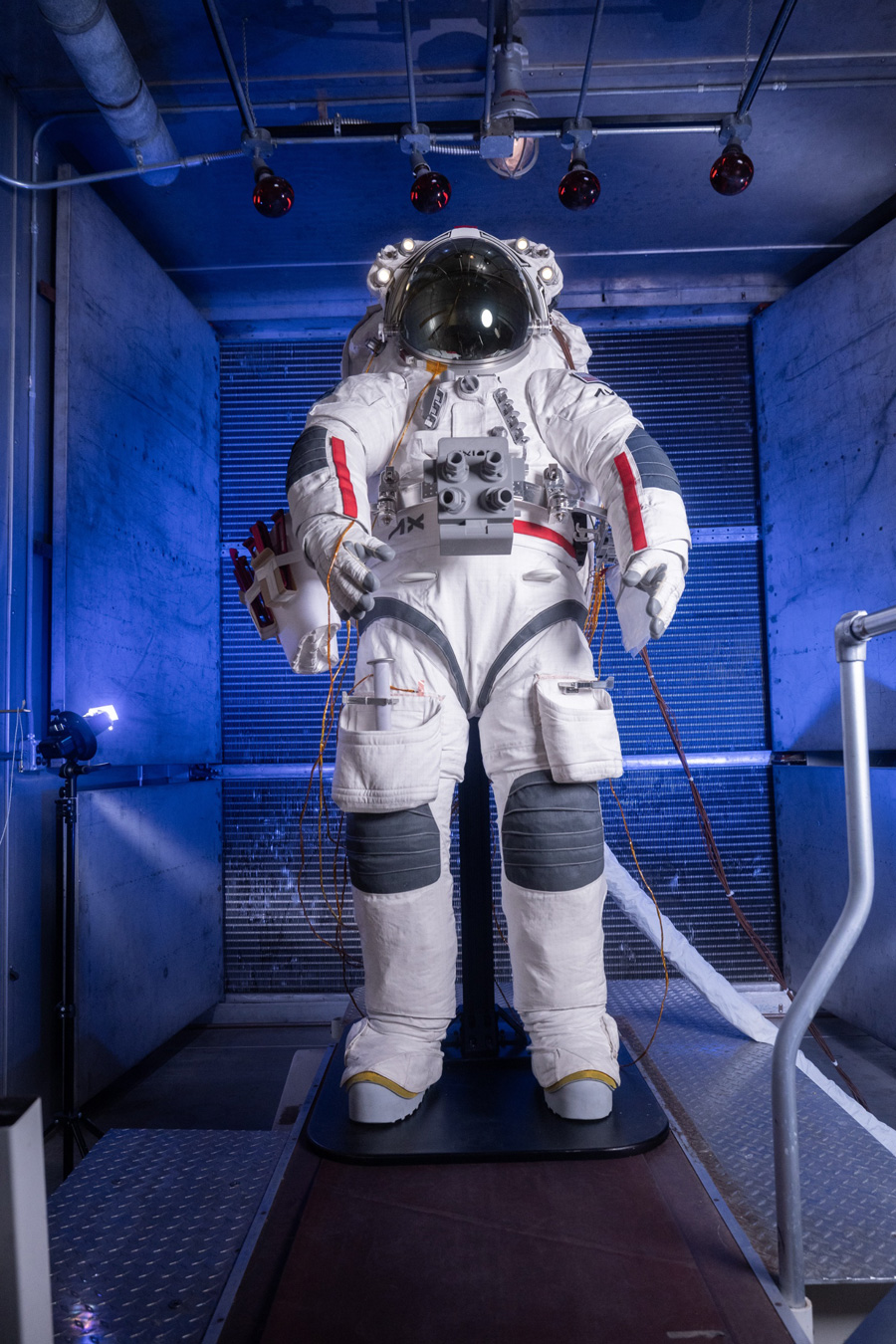
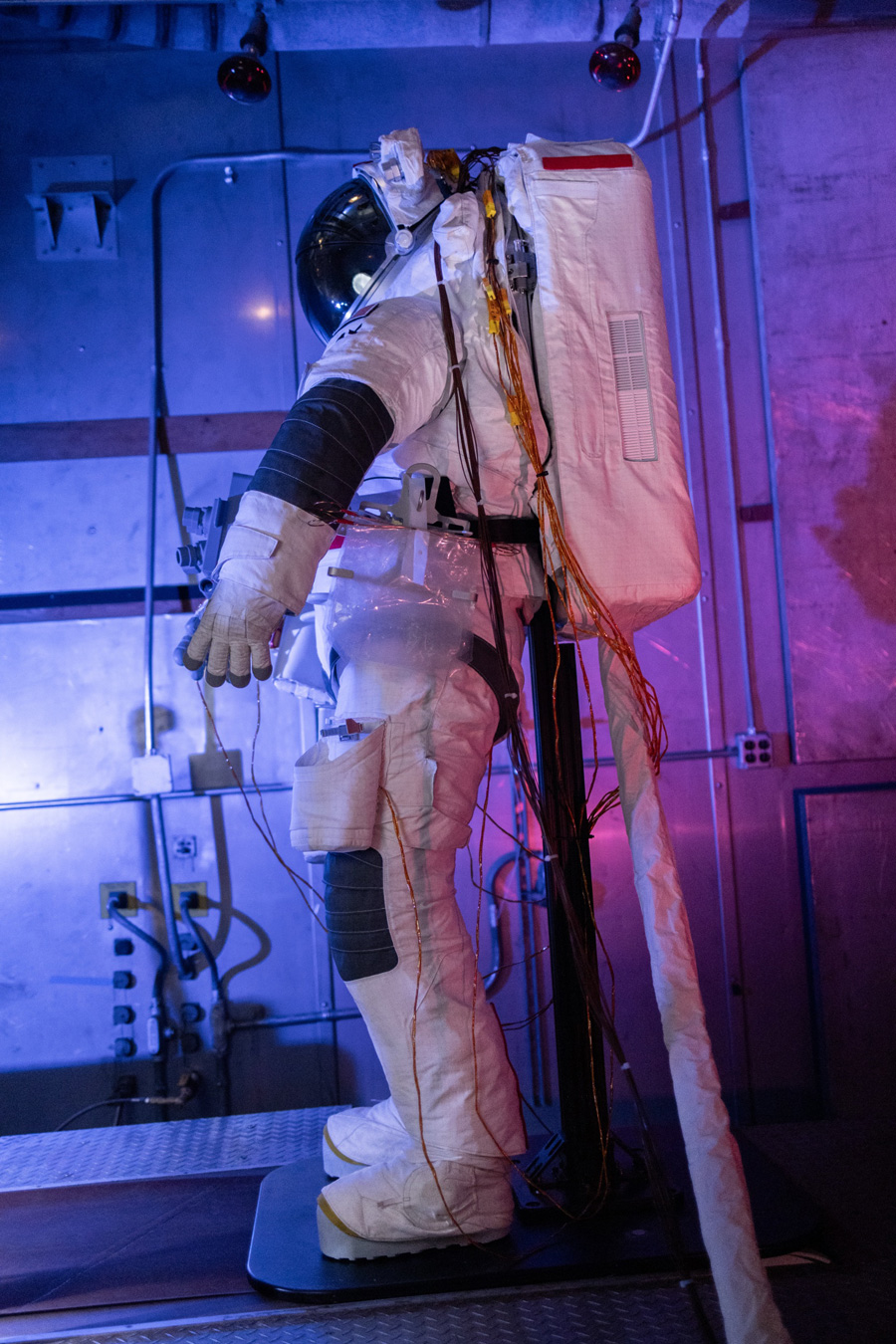
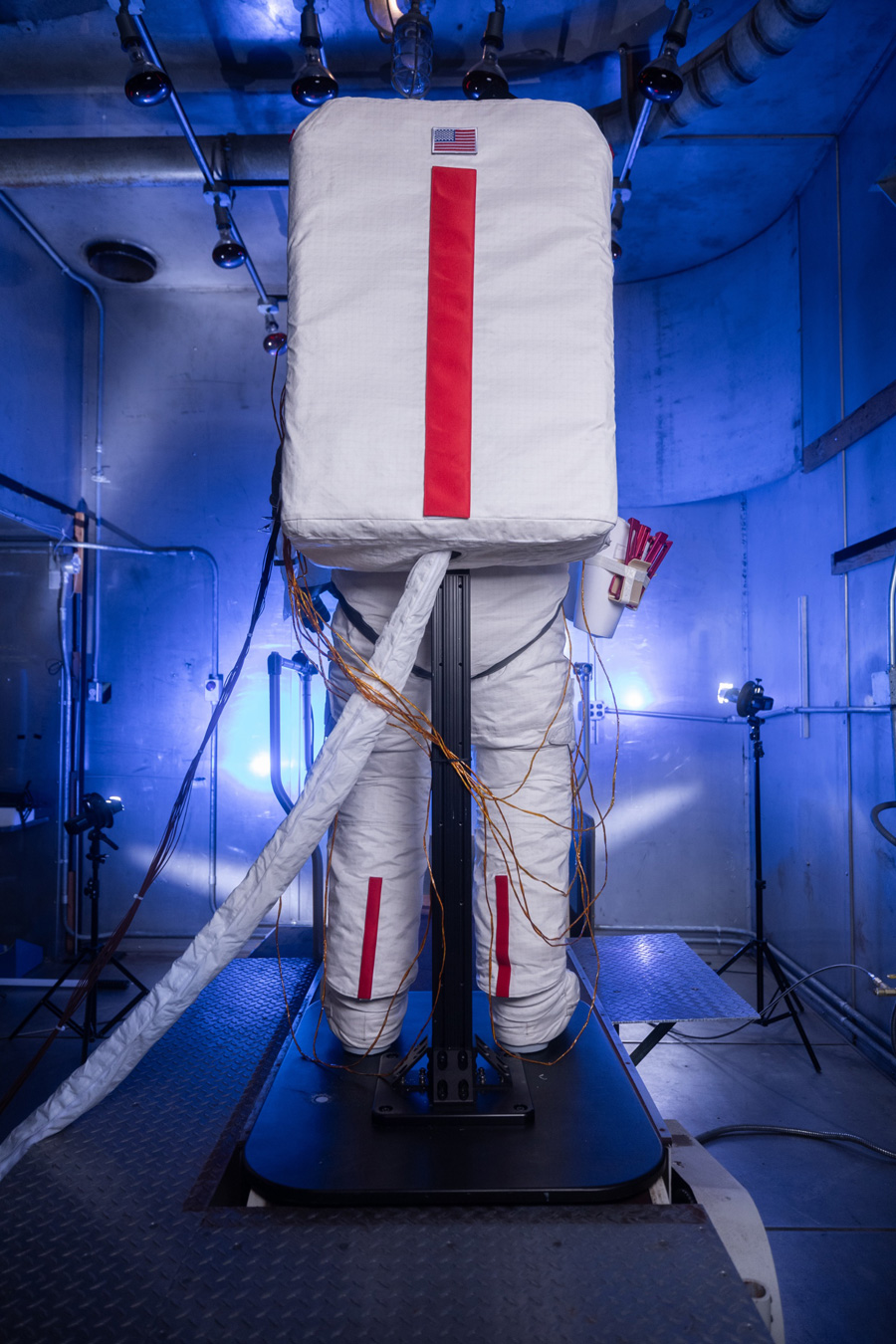
NASA's plan to put astronauts back on the Moon is running into a very earthly problem: the spacesuits don't work well enough, and they weigh too much. Axiom Space, the Houston-based company contracted to build the next-generation lunar suit, has struggled so badly with its AxEMU design that NASA has agreed to accept a simplified interim version instead. That's a significant climbdown — and it comes as China finalizes its own lunar spacesuit for a 2030 crewed landing.
Too ambitious to deliver
The AxEMU was designed to do a lot. NASA's original requirements called for six spacewalks in 6.5 days, a 210-day storage capability, and at least two hours of operation in the permanently shadowed craters near the Moon's south pole — some of the coldest places in the solar system. Meeting all those demands made the suit bulky, mechanically complex, and expensive. Axiom has yet to pass a Critical Design Review, a standard engineering milestone that confirms a design is ready to build. ISS testing with astronauts has now slipped to late 2027 at the earliest.


A simpler suit, a shorter mission
Rather than wait indefinitely, NASA has pushed toward a cut-down design sometimes referred to internally as a "Sortie Suit." The life-support system would be simplified, meaning longer multi-day surface operations and excursions into those frigid shadowed craters are off the table for now. It's an interim fix — good enough for short first missions, not the final product.
The timeline restructuring runs deeper than just the suit. NASA announced in March 2026 that Artemis III has been moved to a low-Earth-orbit test flight in 2027 only, with no lunar landing. The first crewed landing is now targeted for Artemis IV in 2028 — and that date still depends on a working suit arriving on time.
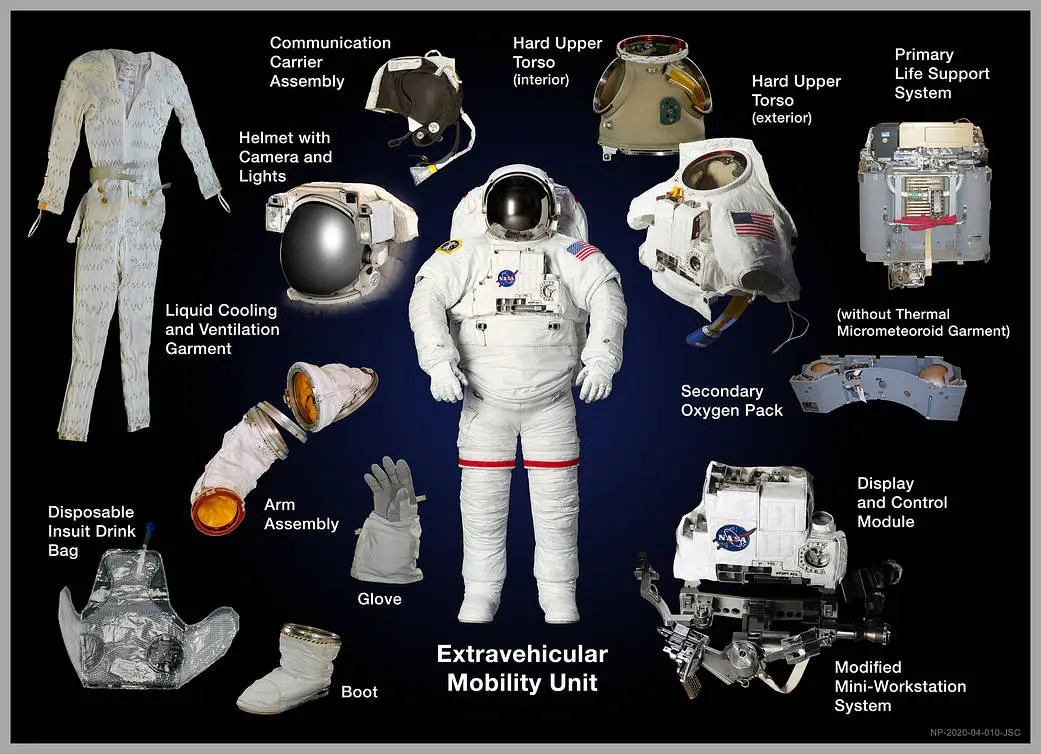
An EMU spacesuit. Illustration: NASA
Racing China
The competitive pressure is real. China officially named its lunar spacesuit — the Wangyu — in February 2025, per Global Security. It's lighter than China's existing Feitian suits used on its space station and is being developed specifically for a 2030 lunar landing. If that mission succeeds before the US returns to the surface, the geopolitical optics would be stark.
NASA's 40-year-old EMU suits aboard the ISS are a reminder that building a truly new spacesuit is harder than it looks. The Sortie Suit compromise buys time and keeps Artemis moving, but America's return to the Moon is now later — and leaner — than anyone planned.


